Margus Kaasik: Gas is clean and abundant
Ahead of the upcoming heating season, many people are once again wondering about gas supply, pricing, and origin. I can assure our customers that everything is in good order – both now and in the coming season, and beyond.
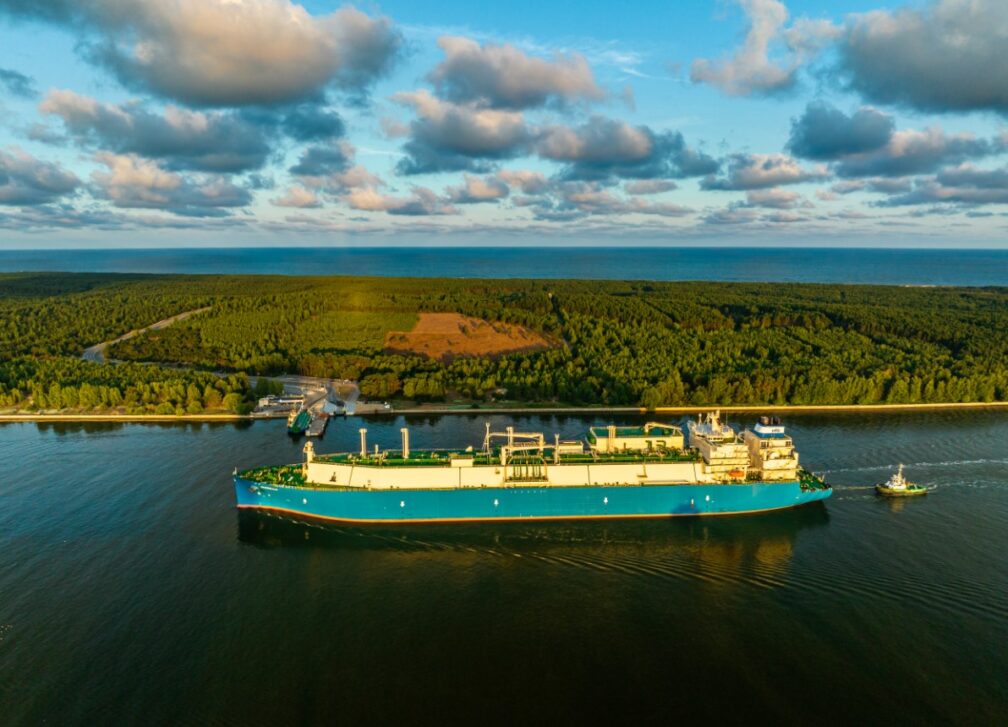
The tanker Isabella is arriving at the Port of Klaipeda.
Our natural gas is sourced from the West and delivered by ships, mainly from Norway and the United States. New suppliers and supply routes are in place, and more will be added soon. While prices will rise somewhat in autumn and winter as demand increases, it will certainly not be at the pace or intensity we saw last year.
Eesti Gaas led the shift to Western-sourced natural gas across the entire Finnish and Baltic region, completing this transition already last year. Since the beginning of this year, Russian molecules have been unequivocally banned by law from the Estonian gas network. Therefore, pipeline gas is clean both environmentally and origin wise – Russian energy has been pushed out, and everyone connected to or near the gas distribution network can make an ethical choice and use natural gas with peace of mind.
The security of natural gas supply is strong. European gas storages are full, western supply routes are functioning, and there is enough gas for now and for the upcoming heating season. Eesti Gaas has already secured the necessary volumes for our customers through existing agreements.
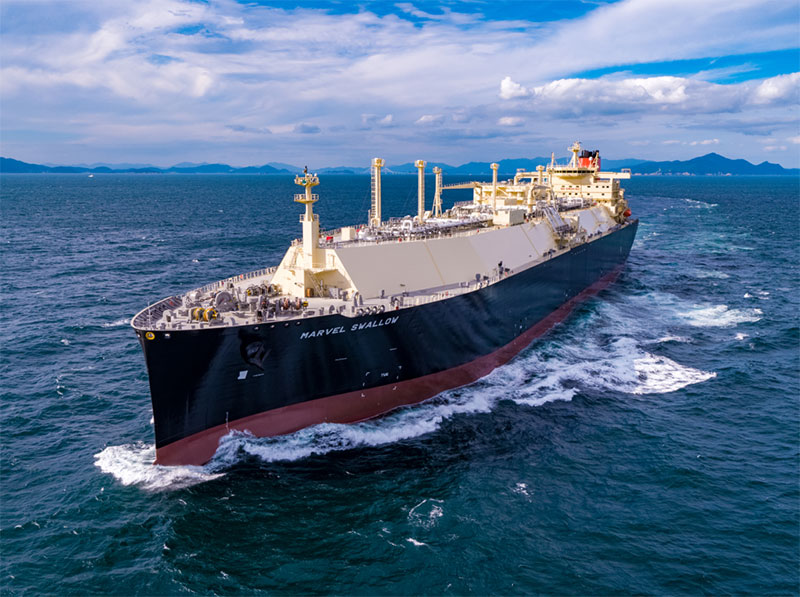
Compared to last year, we are bringing three times more ships and gas to the region this year – a total of 16 vessels to Finland’s Inkoo and Lithuania’s Klaipeda terminals. Today, as much as one-third of all gas in the Finnish and Baltic region flows through Eesti Gaas. Our gas is supplied by major international energy companies such as Vitol, Total, and Norway’s Equinor. We also plan to further expand our supplier network in the near future.
As for gas prices, it is important to note that compared to last autumn’s peak, prices are now 84% lower. In total, we have reduced household prices six times. In September, we can keep prices stable, but as the heating season begins and demand rises, we will need to adjust prices upward starting in October. How exactly the winter will turn out remains to be seen, but all indications suggest it will be significantly easier than last year. European gas storages are at record levels, and new LNG terminals and supply routes are operational. Those who wish to protect themselves against possible market price fluctuations may consider joining a fixed-price package.
Margus Kaasik
Chairman of the Management Board, Eesti Gaas