Margus Kaasik: Natural gas as a reborn ally in green transition
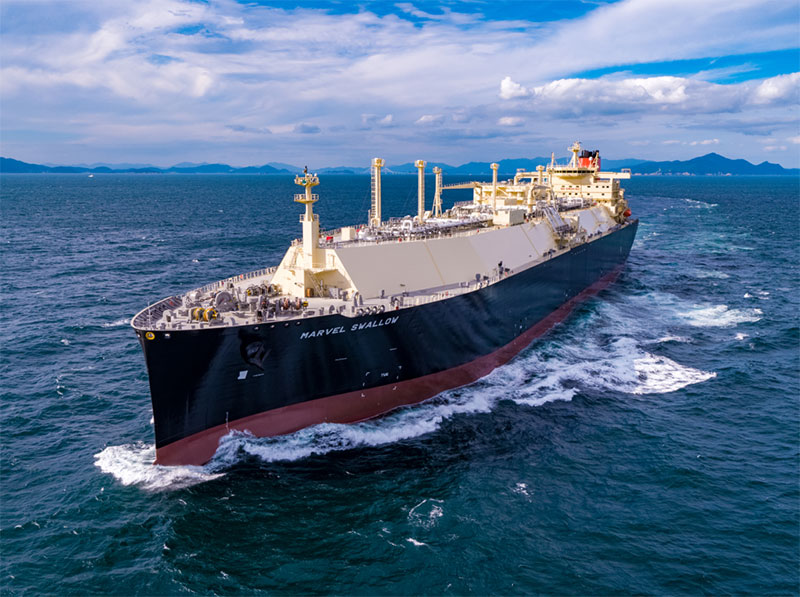
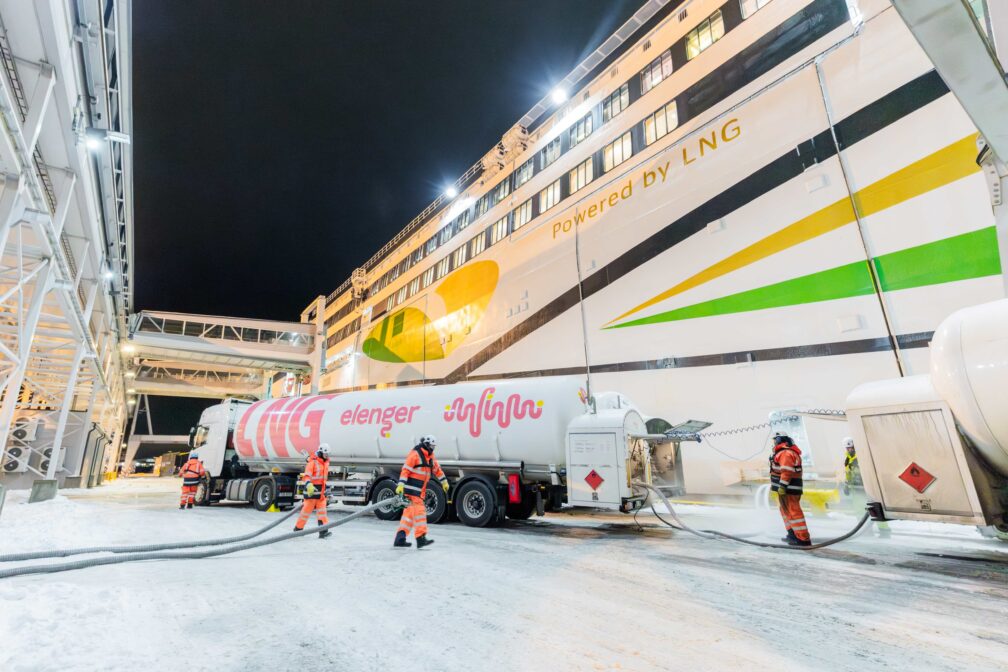
Europe’s energy landscape has undergone a transformation few thought possible. In just five months, the continent achieved what experts predicted would take five years: a successful pivot to LNG and a rapid exit from Russian gas. Today, natural gas in Estonia—and across the Baltic and Nordic regions—comes exclusively from Western sources, delivered by ship from Norway and the United States. Eesti Gaas has been at the forefront of this transition, emerging as the largest privately-owned energy company in the region.

Margus Kaasik
Energy Security and Affordability Restored
Last winter, uncertainty loomed over every household: Would homes stay warm, and at what cost? This year tells a different story. Storage facilities across Europe are full, LNG terminals are operational, and supply routes are secure. Eesti Gaas alone will import 18 LNG shipments—around 18 TWh of gas—into Finland and Lithuania, more than four times Estonia’s annual demand. This scale reflects our commitment to regional energy security.
Improved supply stability has also brought relief to consumers. Global gas prices have returned to pre-crisis levels, and current forecasts show no significant price hikes for the coming winter. Natural gas remains one of the most cost-effective and reliable energy sources available.
The Green Transition Needs a Reliable Partner
Europe’s ambition to fully transition to renewables is essential for reducing emissions and combating climate change. Yet, renewables have inherent limitations—particularly during peak winter demand. Last year, Estonia’s peak gas demand reached 1,000 MW. If that had been met solely with electricity, homes would have gone cold and dark. We need controllable capacity during winter, and natural gas provides exactly that.
Transporting and storing gas is significantly cheaper than electricity, making it a practical solution for balancing intermittent renewable generation. While oil shale and wood remain in use, their environmental impact is far greater. Burning wood emits more than three times the CO₂ of natural gas, and the notion that reforestation will offset these emissions by 2050 is unrealistic. If we are serious about reducing greenhouse gases, we must address this reality.
Looking Ahead: Decarbonized Gas and Biomethane
The future of energy in Europe is green—and diverse. Hydrogen and biomethane will play an increasingly important role, and natural gas will act as a bridge, ensuring affordable, low-emission controllable capacity. Estonia has vast potential for biomethane production, with opportunities to scale from 168 GWh today to 1 TWh by 2030. This is a critical step toward decarbonizing the gas grid and integrating renewable gases into our energy mix.
Conclusion
Energy security and sustainability are not mutually exclusive. Natural gas is—and will remain—a cornerstone of Europe’s energy strategy, complementing renewables and supporting industrial competitiveness. By embracing innovation and diversification, we can ensure that homes stay warm, lights stay on, and emissions continue to fall—not just this winter, but for generations to come.